
Autism Spectrum Disorder
Autism Spectrum Disorder (ASD) is a pervasive developmental disorder characterised by impairments in social communication, as well as restricted or repetitive patterns of behaviour,
interests and activities


What is Autism Spectrum Disorder?
Autism Spectrum Disorder (ASD) is a pervasive developmental disorder characterised by impairments in social communication, as well as restricted or repetitive patterns of behaviour, interests and activities. There are also often significant difficulties in the processing of sensory information. These complex and unique behaviours can vary in their manifestation but are representative of the particular diagnostic criteria.
ASD is a lifelong condition. The cause of ASD is currently not known but there is evidence to suggest that genetics play an important role in the cause of ASD. The behaviours and difficulties associated with ASD may be evident very early in an individual’s development, however the stage at which functional impairment becomes obvious can vary. No two individuals with ASD are alike. The behaviours associated with ASD can vary within individuals as they grow and develop and respond to various situations and environments in their daily lives.
Does my child need an assessment?
The following signs could be indicators of ASD which may impact your child’s behaviour and development. No single indicator typically signals ASD, instead a child would present with a number of the following indicators.
Communication:
Lack of early gestures such as waving and pointing
Lack of response to own name / selective hearing (e.g. responding to environmental sounds but often ignoring speech)
Regression in speech and language (e.g. loss of previously used words)
Speech absent at 18 months and no use of phrases by 24 months
Unusual language patterns (e.g. repetitive speech or jargon)
Lack of reciprocal communication
Behaviour:
Unusual patterns of behaviours (e.g. flapping hands, spinning, toe walking)
Unusual interests
Unexplained tantrums
Significant difficulties coping with change
Ritualised patterns of behaviour
Social / Play:
Decreased eye contact
Lack of reciprocal smile
Lack of interest in others / sharing interest with others
Often seeming to be in their ‘own world’ or aloof
Preference to playing alone / limited social play
Unusual patterns of behaviour in play (e.g. lining objects, categorising)
Play is limited to certain toys
Lack of imaginary play
Sensory:
Over or under reaction to sounds (e.g. afraid of everyday sounds / not responding to own name)
Preoccupation with moving or spinning objects
Aversion of certain textures or exploring environment through touch
Over / under reaction to pain
Use of peripheral vision to look at objects / observing or playing with toys on floor / table level
Mouthing objects or clothing
What is an Autism Spectrum Disorder Assessment?
In South Australia, a formal ASD diagnosis requires assessment by two accredited clinicians, which can be a psychologist, speech pathologist, psychiatrist or a paediatrician. Assessments can be conducted by a team of two clinicians in one setting or by two individual clinicians across different settings.
Assessments involve interactions with and observations of the child, as well as gathering information from all relevant and available sources about the child’s strengths and difficulties in areas of social communication as well as any restricted and repetitive behaviours, interests or activities. The information is then carefully considered in light of the American Psychiatric Association’s Diagnostic and Statistical Manual – Fifth Edition (DSM-5).
The Assessment Process
A Team ASD Assessment is booked over two sessions. The assessment session typically takes approximately one hour. During this session one of the clinicians performs the parent/caregiver interview, and the other clinician observes the child during play. A feedback session is scheduled later in the day with the parent/caregiver, and usually takes approximately 30 minutes. During this session parents/caregivers will receive feedback about the assessment including a multidisciplinary report discussing the results and recommendations. An expanded comprehensive report may be provided upon request approximately 8-weeks following assessment.
A Single ASD assessment is booked over three sessions. The first assessment session takes up to one hour. During this session the clinician performs the parent/caregiver interview and gathers background information. The second assessment session also takes up to one hour. During this session the clinician observes the child during play. A feedback session is then scheduled with the parents/caregivers. During this session parents/caregivers receive feedback about the assessment and discuss the results and recommendations. A comprehensive report is then completed and issued to the family.
Why is seeking a diagnosis important?
Receiving a diagnosis of ASD provides a profile of an individual’s strengths and areas of development and helps individuals and their families better understand how they function and why they may experience certain difficulties or behaviours. A diagnosis can also allow access to supports and inform appropriate support services.
Has your child had a hearing assessment completed within the last 12 months?
A ‘pass’ in the newborn hearing screening undertaken at birth does not rule out current hearing or ear health issues. Best-practice standards recommend that a child's hearing is screened before any diagnostic assessments (such as evaluations for autism, ADHD, learning difficulties or disorders) or an evaluation of their speech and language skills. This is because an underlying or missed hearing disorder (which is not uncommon in pre- and school-aged children) can influence or potentially change the outcome of these comprehensive evaluations, including:
Speech Pathology assessment or intervention
Psychoeducational assessments
ASD assessments
If you would like to schedule a hearing screen before your child's diagnostic assessment, please speak to one of our friendly team members at Mile End 7123 6147 or Morphett Vale 7123 6163.
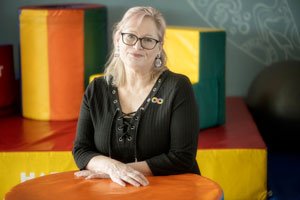
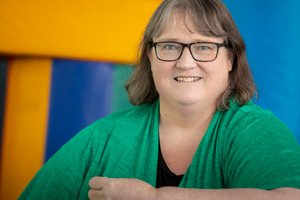
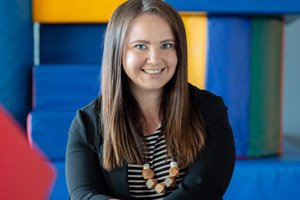
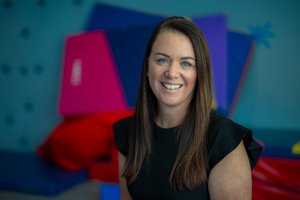
Meet the Diagnostic Team
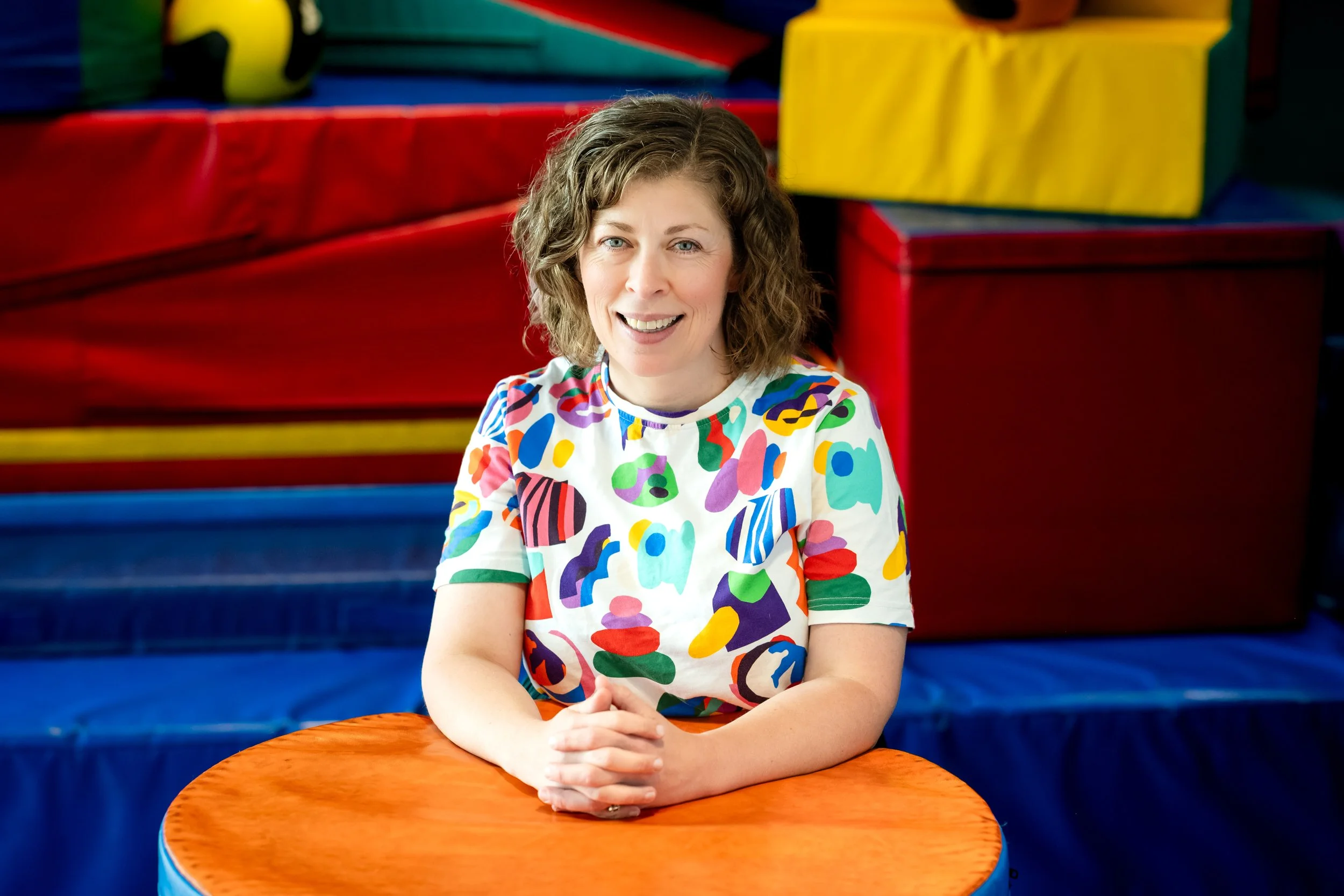

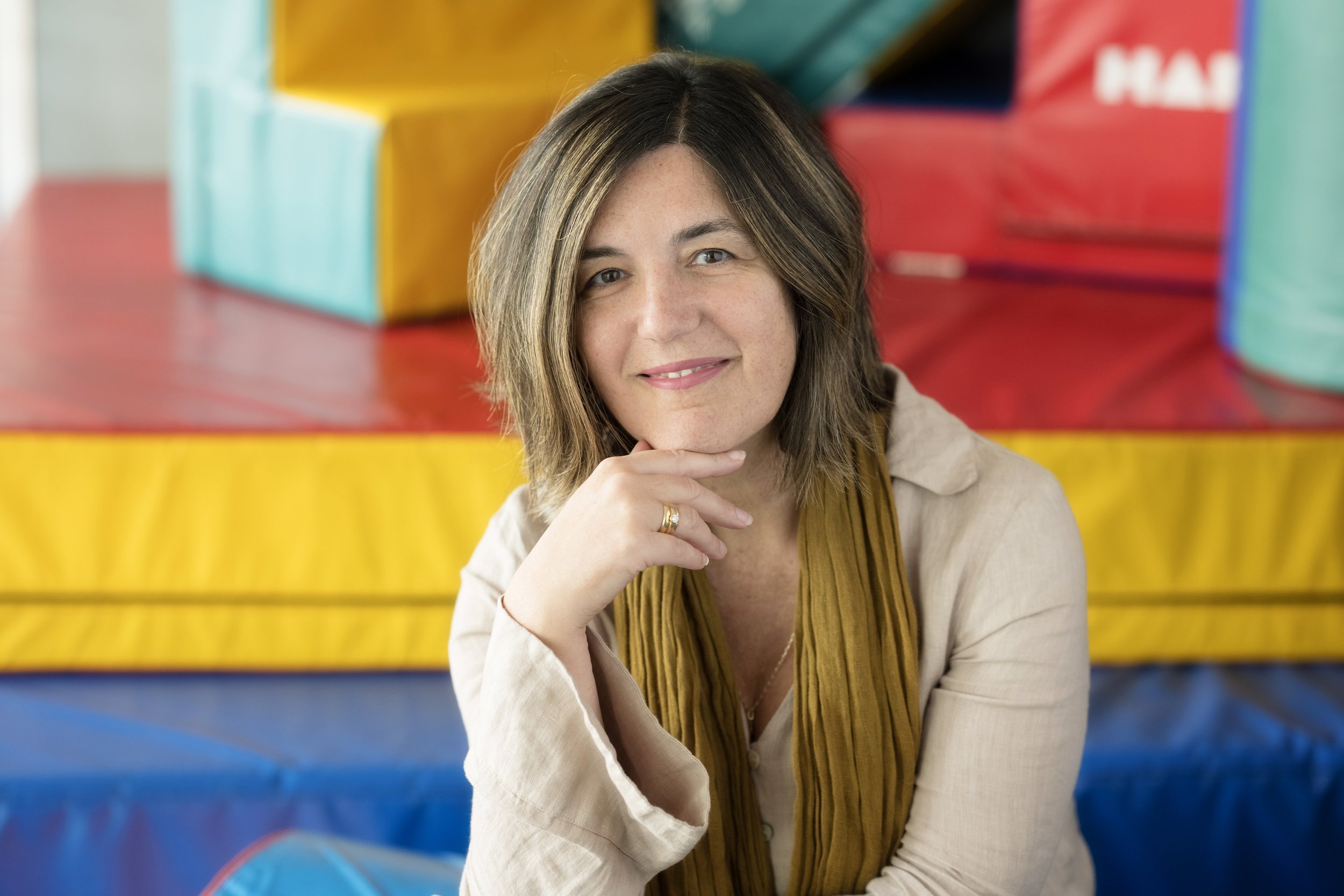
-
Independent Consulting Psychologist
ABN 71 950 870 533Qualifications: BPsych(Hons) AMAPS
Genevieve is a young and vibrant Psychologist who has worked with children and their families for over 10 years. Gen moved back to South Australia after developing her skills working with an early intervention and trans-disciplinary team in the Northern Territory.
Gen consults in her private practice at Adelaide Paediatrics Morphett Vale location. Attending an appointment at a therapy service with a Psychologist can be a difficult and sometimes confusing experience for a child and their family. Gen makes the experience much less distressing, using the strengths of the family relationship to build development.
With a variety of evidence-based interventions at her disposal, Gen provides a flexible approach to suit the needs of both the child and their family. Gen works with younger children and their parents to build the “foundations of development” whilst layering in other discipline-specific goals. With older children, she draws on her skills in Cognitive Behaviour Therapy and Acceptance and Commitment Therapy to address anxiety, depression, self confidence, self esteem and independence.
Make an appointment:
Adelaide Paediatrics Morphett Vale
221-223 Main South Road
Morphett Vale SA 5162
T: 08 7123 6163
F: 08 7123 0821 -
Independent Consulting Psychologist
ABN 99 154 870 310Qualifications: B Psych Sci, GD Psych Sci, B Sci (Hons) (Psych), MAPS, AAPi
Alex is a registered psychologist with extensive experience in psychological assessment and therapy. Since 2012, she has worked across a range of settings, including complex mental health care and educational spaces, supporting children, families, and professionals to better understand and navigate neurodivergent and behavioural needs.
Now focusing solely on assessments, Alex specialises in diagnosing neurodevelopmental and behavioural conditions, conducting behavioural evaluations, and completing NDIS-related assessments.
In her private practice, Alex consults at Adelaide Paediatrics Ashford location. She is passionate about providing clear, practical insights to help families and support teams access the right services and interventions, ensuring each assessment offers meaningful guidance to promote understanding, growth, and positive outcomes.
Make an appointment:
Adelaide Paediatrics Ashford
Suite 28, Level 3 Ashford Specialist Centre
57-59 Anzac Highway
Ashford SA 5035
T: 08 7123 6171
F: 08 7123 0821 -
Independent Consulting Psychologist
ABNQualifications: Masters of Counselling (Psychology); Dip Clinical Hypnotherapy; Cert in Individual, Couple and Family Therapy; Masters Ed St (strm, Ed Psychology); Clinical Training in Child Centred Play Therapy
Christine is a Registered Psychologist (MAPS) with over 20 years of experience in the areas of counselling, organisational psychology, educational & developmental psychology and working with individuals, families and young children, both in the private and public sectors.
Christine completed her training at Flinders University and Monash University in Melbourne.
She has worked with people of culturally and linguistically diverse backgrounds, people with disabilities and specialises in psycho educational assessments, working closely with young families in facilitating positive outcomes. Christine incorporates mindfulness, hypnotherapy, CBT, ACT and other psychological therapies and interventions to facilitate change and ameliorate difficulties.
Her career pathway has given her the breadth and depth of understanding and knowledge to work with individuals and families in a variety of different settings and with different issues and difficulties. In her private practice, Christine consults at Adelaide Paediatrics Kensington Park location and uses a collaborative approach (team around the child), working with medical professionals (i.e. GP’s & Paediatricians) and other allied health professionals to provide a positive outcome for children and families.
Christine has a holistic and culturally sensitive approach when working with individuals and is a strong advocate for families. Christine places strong emphasis on exploring a child’s developmental and emotional profile in order to gain a better understanding of their needs. Christine uses a strength based approach in order to assist children achieve their full potential.
Helping children and families with: Psycho-educational Assessment; Family counselling and supporting parenting skills; Providing advocacy for young families in relation to school issues such as separation anxiety, behavioural problems and social issues; Working with child & adolescent disorders including, anxiety disorders; Autism Spectrum Disorders, adjustment disorders, ADHD, grief & separation, toileting issues, sleep, phobias and panic disorders; Working with parents of children with disabilities (GDD, Intellectual Disability) and their issues; Responses to trauma, including working with individuals with head injuries and neuro cognitive disorders
Make an appointment:
Adelaide Paediatrics Kensington Park
360 Magill Road
Kensington Park SA 5068
T: 08 7123 6176 -
Independent Consulting Speech Pathologist
ABN 58 549 233 751Qualifications: Master of Speech Pathology; Certified Practicing Speech Pathologist (CPSP)
Nathan is a versatile and passionate speech pathologist with experience working in a diverse range of clinical areas across paediatric development. Delivering fly-in fly-out services for Country Health SA to Kangaroo Island and other rural communities previously, Nathan is accustomed to thinking on his feet to provide innovative and customised approaches to assessment and therapy that capitalise on the strengths of the child and their family.
Nathan consults in his private practice at Adelaide Paediatrics Bedford Park, Elizabeth Vale and Mile End locations and is able to provide high quality services to all clinical areas, but particularly specialises in Autism Spectrum Disorder and its associated difficulties, stuttering and dysfluencies, bi/polylingual children, paediatric dysphagia and feeding difficulties, Auditory Processing Disorder, and children who present as late talkers. Nathan also currently provides adult services as part of the Southern Adelaide Local Health Network, and enjoys contributing to the strong team environment at Adelaide Paediatrics.
Helping children and their families with: Feeding and mealtime difficulties; Dysphagia (swallowing disorder/difficulty); Autism Spectrum Disorder (ASD); Auditory Processing Disorder (APD); Children with articulation/speech disorders; Language delays/disorders; Late talkers; Stuttering/stammering aged 2 and above; Social skills/communication difficulties; Voice disorders (dysphonia); Cerebral Palsy (CP) or other physical disabilities that require alternative/augmented communication devices (AAC) to help them communicate, also in cases where the child is not able to communicate verbally due to this disability/disorder (of any age); School aged children with literacy/spelling difficulties; School aged children with difficulties/delays with Phonological Awareness (PA)
Make an appointment:
Adelaide Paediatrics Mile End
71 Henley Beach Road
Mile End SA 5031
T: 08 7123 6147Adelaide Paediatrics Bedford Park
Mark Oliphant Building
8/5 Laffer Drive
Bedford Park SA 5042
T: 08 7123 6149 -
Independent Consulting Speech Pathologist
ABN 19 217 365 138Qualifications: Bachelor of Speech Pathology
I am a passionate, kind and caring Speech Pathologist with vast experience working with children across settings. My purpose is to encourage each child reach their full potential through creating engaging and rewarding therapy sessions. My ability to build rapport quickly with both children and their families enables us to develop client specific goals in a warm and encouraging environment therefore fostering each child’s ability to achieve positive outcomes.
I have a particular interest in working with children that present as late talkers and children with diagnoses such as language delays/disorders, speech delays/disorders, Autism Spectrum Disorders (ASD) and social language deficits.
Helping children and families with: Assessment and intervention of Autism Spectrum Disorder (ASD), Early communication development and play skills; Developmental Delays; Language Delays/Disorders; Articulation/Speech Delays/Disorders; Phonological Awareness; Social Skills
Make an appointment:
Adelaide Paediatrics SuperGym Therapy & Rehab Centre
71 Henley Beach Road
Mile End SA 5031
T: 08 7123 6147 -
Independent Consulting Psychologist
ABN 74 477 073 871Qualifications: BA (Hons Psychology); MPsych (Ed and Dev)
Steph is an Educational and Developmental Psychologist. Prior to becoming a psychologist, Steph was a paediatric Registered Nurse, and Research Nurse for child health and language development studies. These days in her private practice at Adelaide Paediatrics Bedford Park and Mile End locations, Steph spends time focusing on helping kids to understand and manage their emotions, whilst also helping the adults around them to support and nurture their child’s development.
Steph is accredited to deliver Circle of Security© parenting support. She prioritises an understanding of the child and family in their own unique context, to enhance the quality of attachment in relationships.
Steph’s treatment approaches include CBT, ACT, schema, mindfulness, trauma-informed therapy, and expressive play.
Issues which may bring you to connect with Steph include:
Mood disorders (e.g., anxiety); ADHD; Trauma; Autism; Cognitive Assessment; Educational Assessment (including specific learning disorder assessment)
Make an appointment:
Adelaide Paediatrics Bedford Park
Mark Oliphant Building
8/5 Laffer Drive
Bedford Park SA 5042
T 08 7123 6149
F 08 7123 0821Adelaide Paediatrics Mile End
71 Henley Beach Road
Mile End SA 5031
T: 08 7123 6147 -
Independent Consulting Psychologist
ABN 86 506 097 968Qualifications: Master of Education: Child & Family Psychology (Distinction) University of Canterbury; Post Graduate Diploma Child & Family Psychology; Bachelor of Education
Linda is a registered psychologist with a broad range of experience working with children, adolescents and their families, and the education settings they participate in. Linda trained as a child and family psychologist through the University of Canterbury in Christchurch and has considerable experience in the assessment, diagnosis and intervention of a broad range of psychological and developmental conditions affecting children and young people. Linda also has a background in teaching and draws on this experience to advocate for children at school.
Linda consults in her private practice at Adelaide Paediatrics Mile End and Mt Barker locations with a strong commitment to working in partnership with families to support children and adolescents to reach their full potential and maximise their strengths. She uses a range of evidence-based intervention techniques and adjusts her approach to suit each individual child and family. Linda has experience in a range of positive behaviour support strategies and works with families to develop plans that are realistic and compatible with their unique situations. Linda is passionate about supporting children to learn, develop and thrive in the contexts and relationships in which they live.
Helping children and families with: Diagnostic assessment and intervention for Autism Spectrum Disorders; Supporting children and families with complex disabilities (e.g. Physical disability, ID, ASD); Anxiety; Coping with emotions; Social skills; School issues; Toileting/Sleep issues; Developing positive behaviour plans/ Parenting support; Psycho-educational Assessment
Make an appointment:
Adelaide Paediatrics SuperGym Therapy & Rehab Centre
71 Henley Beach Road,
Mile End SA 5031
T: 08 7123 6147Adelaide Paediatrics Mount Barker
2/50 Victoria Road
Mt Barker SA 5251
T: 08 7123 6175 -
Independent Consulting Speech Pathologist
ABNQualifications: Bachelor of Speech Pathology
Aliya is an outgoing and passionate speech pathologist experienced in working with a diverse range of children in clinic-based, community and education settings. Her patient, caring and bubbly nature allows her to quickly build relationships with clients and their families. Aliya believes in the importance of building trusting relationships with families and clients and is committed to facilitating children’s development and well-being in order for them to reach their goals.
Aliya’s passion for paediatrics saw her working in America with children aged 3 to 6 years of age whilst completing her Speech Pathology Degree.
Aliya has extensive experience in working with children with communication difficulties, as well as children with disabilities and those with feeding difficulties.
Aliya is an Autism SA-accredited diagnostician, as well as an accredited facilitator of “What’s the Buzz” social skills program. She has also completed training in the Sequential Oral Sequencing (SOS) program, Hanen It Takes Two to Talk program, as well as the Picture Exchange Communication System (PECS) and key word sign.
Aliya consults in her private practice at Adelaide Paediatrics Kensington Park & Mile End locations.
Helping children and families with: Assessment and intervention of Autism Spectrum Disorder (ASD)
Make an appointment:
Adelaide Paediatrics Kensington Park
360 Magill Road
Kensington Park SA 5068
T: 08 7123 6176Adelaide Paediatrics Mile End
71 Henley Beach Road
Mile End SA 5031
T: 08 7123 6147 -
Staff Speech Pathologist & Audiologist
Qualifications: Master of Speech Pathology; Certified Practicing Speech Pathologist (CPSP): Bachelor of Science (Honours) Audiology: Certified Advance Paediatric Audiologist (MAudA, CAPA)
Sharon is a passionate dual-qualified speech pathologist and audiologist with significant experience working in the paediatric field in South Australia.
From the outset Sharon endeavours to establish rapport with children to ensure friendly, caring and accurate diagnosis of Autistic Spectrum Disorder (ASD), hearing difficulties, and Auditory Processing Disorder (APD).
Sharon consults at Adelaide Paediatrics Morphett Vale and Mile End locations and takes pride in providing high quality diagnostic services to children and families in these clinical areas.
Helping Children and Families with: Assessment of Autistic Spectrum Disorder, Assessment of outer and middle ear health (from birth), cochlear function testing (from birth), full diagnostic hearing assessment (from 6 months), diagnosis of Auditory Processing Disorder (from 7 years), recommendation and fitting of listening devices for children, recommendation and installation of Soundfield Systems for classrooms, and recommendations for support following diagnosis of hearing loss, APD or ASD.
Make an appointment:
Adelaide Paediatrics Morphett Vale
221-223 Main South Road
Morphett Vale SA 5162
T: 08 7123 6173Adelaide Paediatrics Mile End
71 Henley Beach Road
Mile End SA 5031
T: 08 7123 6147
Make a booking
Independent Medical Specialists consulting in private practice at Adelaide Paediatrics triage incoming referrals and aim to accommodate urgent referrals as soon as possible, offering the earliest available appointment with a paediatrician
-
Adelaide Paediatrics Ashford
Suite 28, Level 3 Ashford Specialist Centre
57-59 Anzac Highway
Ashford SA 5035T: 08 7123 6171
F: 08 7123 0821 -
Adelaide Paediatrics Bedford Park
Mark Oliphant Building
8/5 Laffer Drive
Bedford Park
SA 5042T: 08 7123 6149
F: 08 7123 0821 -
Adelaide Paediatrics Kensington Park
360 Magill Road
Kensington Park
SA 5068T: 08 7123 6176
F: 08 7123 0821 -
Adelaide Paediatrics Mile End
SuperGym Therapy & Rehab Centre
71 Henley Beach Road
Mile End SA 5031T: 08 7123 6147
F: 08 7123 0821 -
Adelaide Paediatrics Morphett Vale
221-223 Main South Road
Morphett Vale SA 5162T: 08 7123 6163
F: 08 7123 0821 -
Adelaide Paediatrics Mount Barker
2/50 Victoria Road
Mount Barker SA 5251T: 08 7123 6175
F: 08 7123 0821 -
Adelaide Paediatrics North Adelaide
Calvary Hospital
89 Strangways Terrace
North Adelaide SA 5006T: 08 7123 6173
F: 08 7123 0821